
“You Knew Better”— But Who Taught Me?
By Ta’Ajha Reyes
August 6, 2026
Growing up, I understood one thing about sex: I was not supposed to have it.
I heard warnings like “don’t get pregnant,” “don’t be fast,” and “tell me if somebody touches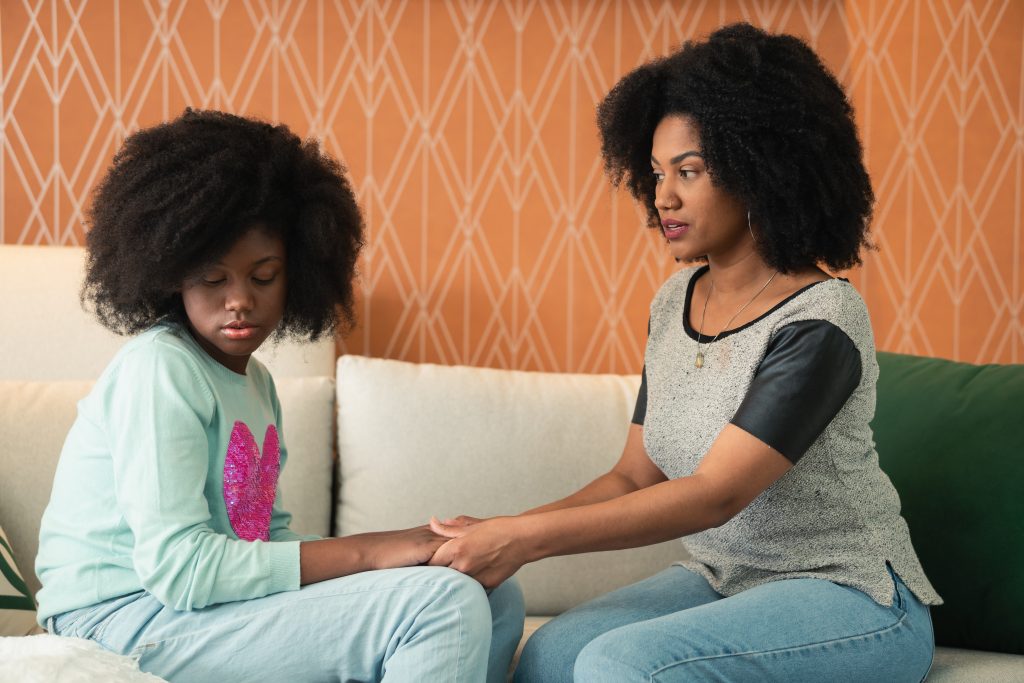 you.” What I did not receive were honest conversations about consent, healthy relationships,
STIs, contraception, or what it actually meant to be ready. I knew sex was something that could get me in trouble, but I did not know how to recognize whether I felt safe, respected, informed, or truly comfortable. This experience is not unique to me; many Black girls grow up with the expectation to “know better” without ever being properly taught.
Before Black girls even begin thinking about relationships or sexuality, they have probably heard the caution against becoming “fast” more times than they can count. Their clothes, bodies, friendships, and interactions with boys are viewed through a sexual lens long before they fully understand sexuality themselves. This hyper-sexualization is reinforced by societal biases; research from Georgetown Law’s Center on Gender Justice & Opportunity found that adults often perceive Black girls as older, less innocent, and more knowledgeable about sex than white girls. These assumptions can cause adults to offer Black girls less protection, patience, and guidance, especially when something does happen.
When sexual health is only discussed through warnings and punishment, young people learn how to hide, not how to protect themselves. They may fear admitting they are confused, being pressured, considering becoming sexually active, or worried about a possible exposure. Instead of approaching a trusted adult, they often turn to friends, social media, or trial and error for information.
Sexual-health education should provide more than a list of things not to do; young people need accurate, age-appropriate information about consent and coercion, condoms, contraception, STI and HIV testing, healthy communication, and confidential healthcare. The Centers for Disease Control and Prevention explains that quality sexual-health education should not only provide information but also help young people build practical skills and protective behaviors. Knowing that condoms exist is different from knowing how to use them correctly. Being told to “just say no” is different from learning how to communicate a boundary when emotions, pressure, or unequal power are involved. They should understand that seeking condoms, asking about birth control, learning about PrEP and PEP, or speaking honestly with a healthcare provider does not make someone “dirty” or “grown”, it makes them responsible.
Prevention becomes possible when people feel safe enough to ask questions before a crisis happens. Black girls and women already experience significant inequities in sexual and reproductive health, but those disparities should never be interpreted as evidence of individual irresponsibility. Addressing them requires more than telling Black girls to make better choices, it means ensuring they have the education, resources, support, and freedom necessary to make informed ones.
I didn’t get that education growing up and I’m still catching up on it now, piecing together as an adult what should have been mine as a girl. Before asking why a girl did not know better, we should first ask whether anyone ever took the time to teach her.
Wowwwwwww!! I love this granddaughter!! Congratulations!! 🥰 I’m so proud of you!! Love you and keep up the good work!! 🙌🏾
👏🏽👏🏽👏🏽👏🏽